This guide explains the top 15 government schemes in India for 2026 in simple language. It is meant for farmers, students, job seekers, women, small business owners, street vendors and families who want to know which central schemes they can use, what each one gives, and where to apply safely.
Quick answer: Key central schemes running in 2026 include PM-KISAN (₹6,000 a year for farmers), Ayushman Bharat PM-JAY (₹5 lakh health cover), PMAY housing, PM Ujjwala, Sukanya Samriddhi, Atal Pension Yojana, Jan Dhan, Mudra, PM SVANidhi, PM Vishwakarma, PM Surya Ghar, Stand-Up India, PMJJBY/PMSBY, PMKVY and the PM Internship Scheme.
Note: This is general information, not financial advice. Benefit amounts and rules can change, so always check the official portal of each scheme before applying.
Top 15 Government Schemes in India for 2026
1. PM-KISAN (Pradhan Mantri Kisan Samman Nidhi)
What it is: Direct income support for farmer families, paid straight into their bank accounts.
- Key benefit: ₹6,000 per year, paid in three instalments of ₹2,000 each. Instalments continued through 2026, including the 22nd in March 2026.
- Who is eligible: Landholding farmer families. Income tax payers, government employees and certain professionals are excluded. e-KYC is compulsory.
- How to apply: Register through a CSC, your state agriculture office or the official portal pmkisan.gov.in.
2. Ayushman Bharat PM-JAY (including 70+ Seniors)
What it is: The world’s largest government-funded health assurance scheme, covering hospital treatment at empanelled public and private hospitals.
- Key benefit: Cashless cover of up to ₹5 lakh per family per year for secondary and tertiary care.
- 70+ expansion: Since late 2024, all citizens aged 70 and above can get an Ayushman Vay Vandana card, regardless of income. If the family is already covered, the senior gets an additional top-up of up to ₹5 lakh for their own use.
- Who is eligible: Poor and vulnerable families identified through SECC data and state lists, plus all seniors aged 70+.
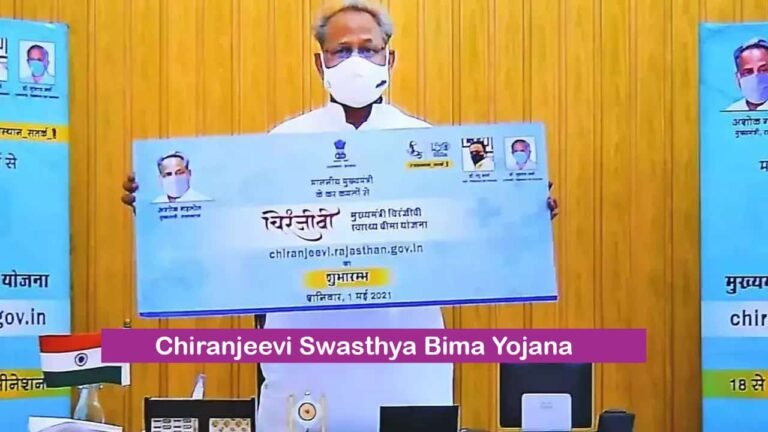
- How to apply: Check eligibility and make your card at beneficiary.nha.gov.in or through the Ayushman app. Some states add their own cover on top; see our guide to Chiranjeevi Swasthya Bima Yojana for an example.
3. PM Awas Yojana (PMAY-Urban 2.0 and PMAY-Gramin)
What it is: Housing support for families who do not own a pucca house. PMAY-Urban 2.0 targets around 1 crore urban families, while PMAY-Gramin covers rural households.
- Key benefit: Central assistance to build or buy a house. Under PMAY-U 2.0 there is also an interest subsidy option on home loans for eligible families.
- Who is eligible (Urban 2.0): EWS (income up to ₹3 lakh), LIG (₹3–6 lakh) and MIG (₹6–9 lakh) families with no pucca house anywhere in India.
- How to apply: Urban: pmay-urban.gov.in. Rural: through your gram panchayat or pmayg.nic.in.
4. PM Ujjwala Yojana
What it is: Clean cooking gas for women from poor households.
- Key benefit: A deposit-free LPG connection plus a targeted subsidy of ₹300 per 14.2 kg cylinder on a limited number of refills each year. The number of subsidised refills is fixed by the government each financial year, so check the current limit with your gas distributor.
- Who is eligible: Adult women from poor households who do not already have an LPG connection in the family.
- How to apply: At your nearest LPG distributor or online at pmuy.gov.in.
5. Sukanya Samriddhi Yojana (SSY)
What it is: A small savings scheme for the education and marriage of a girl child, backed by the government.
- Key benefit: One of the highest interest rates among small savings schemes. The rate was 8.2% for the October–December 2026 quarter; rates are reviewed every quarter, so check the latest before investing. Deposits qualify for tax benefits under the old tax regime.
- Who is eligible: Parents or guardians of a girl child below 10 years of age.
- How to apply: Open an account at any post office or authorised bank branch.
6. Atal Pension Yojana (APY)
What it is: A pension scheme mainly for workers in the unorganised sector. In January 2026 the Union Cabinet approved its continuation till 2030-31.
- Key benefit: A guaranteed monthly pension of ₹1,000 to ₹5,000 from age 60, depending on your contribution.
- Who is eligible: Indian citizens aged 18 to 40 with a bank account. Income tax payers cannot join (rule effective from October 2022).
- How to apply: Through your bank branch or net banking. Scheme details are on the PFRDA website.
7. PM Jan Dhan Yojana (PMJDY)
What it is: A financial inclusion scheme that gives every household access to a basic bank account.
- Key benefit: Zero-balance account, free RuPay debit card with ₹2 lakh accident insurance (for accounts opened after 28 August 2018), and an overdraft facility of up to ₹10,000 for eligible account holders.
- Who is eligible: Any Indian citizen aged 10 or above without a bank account.
- How to apply: Visit any bank branch or Bank Mitra. Details are at pmjdy.gov.in.
8. PM Mudra Yojana (PMMY)
What it is: Collateral-free loans for small, non-farm businesses such as shops, salons, repair units and small manufacturers.
- Key benefit: Loans in four categories: Shishu (up to ₹50,000), Kishore (₹50,000–₹5 lakh), Tarun (₹5–10 lakh) and Tarun Plus (₹10–20 lakh, effective from October 2024).
- Who is eligible: Individuals and micro enterprises with a viable business plan. Tarun Plus is only for borrowers who have successfully repaid an earlier Tarun loan.
- How to apply: Through banks, NBFCs and MFIs, or online via udyamimitra.in. Scheme information is at mudra.org.in.
9. PM SVANidhi (Street Vendors)
What it is: Working capital loans for street vendors. The scheme was restructured in August 2025 and its lending period extended to March 2030.
- Key benefit: Loans in three tranches: ₹15,000, then ₹25,000, then ₹50,000 on timely repayment. Vendors also get interest subsidy, digital payment cashback, and a UPI-linked RuPay credit card after repaying the second loan.
- Who is eligible: Street vendors in urban areas (and notified peri-urban areas) with a vending certificate or a recommendation letter from the urban local body.
- How to apply: Online at pmsvanidhi.mohua.gov.in, or through a CSC or your municipal office.
10. PM Vishwakarma Yojana
What it is: End-to-end support for traditional artisans and craftspeople working with their hands and tools.
- Key benefit: PM Vishwakarma certificate and ID card, skill training with a ₹500 daily stipend, a toolkit incentive of up to ₹15,000, and collateral-free loans of up to ₹3 lakh (₹1 lakh + ₹2 lakh) at a concessional 5% interest.
- Who is eligible: Artisans aged 18+ in any of the 18 listed trades, such as carpenter, blacksmith, potter, tailor, cobbler, barber and washerman. Only one family member can register.
- How to apply: Through a CSC; details at pmvishwakarma.gov.in.
11. PM Surya Ghar Muft Bijli Yojana
What it is: A rooftop solar scheme that helps households cut their electricity bills, with the aim of up to 300 units of free power per month.
- Key benefit: Central subsidy of ₹30,000 for 1 kW, ₹60,000 for 2 kW and ₹78,000 for 3 kW or more. Low-interest bank loans are also available for the rest of the cost.
- Who is eligible: Indian households that own a house with a suitable roof and have a valid electricity connection, and have not taken another solar subsidy.
- How to apply: Register at pmsuryaghar.gov.in with your electricity consumer number, choose a registered vendor, and the subsidy is credited after installation and inspection.
12. Stand-Up India
What it is: Bank loans to help SC/ST and women entrepreneurs start a new business.
- Key benefit: Composite loans (term loan plus working capital) between ₹10 lakh and ₹1 crore for a greenfield enterprise in manufacturing, services, trading or allied agriculture.
- Who is eligible: SC/ST and women entrepreneurs aged 18+. For companies or firms, at least 51% stake must be held by an SC/ST or woman entrepreneur.
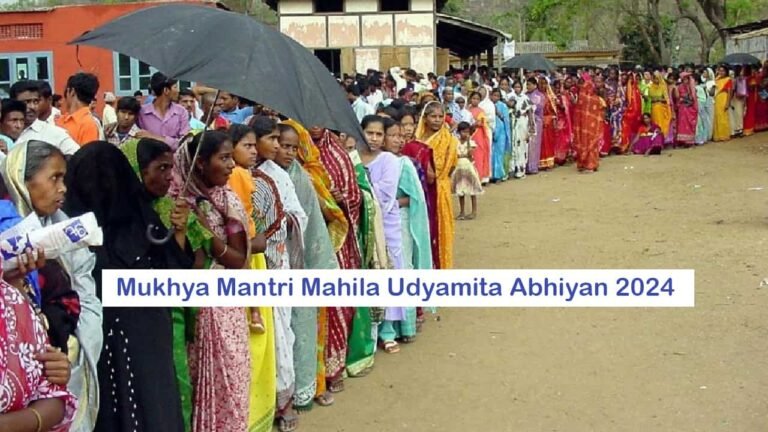
- How to apply: Through your bank branch or the Stand-Up Mitra portal. Women can also explore state options like the Mukhya Mantri Mahila Udyamita Abhiyan.
13. PMJJBY and PMSBY (Low-cost Insurance)
What it is: Two very low-premium insurance schemes linked to your bank account, renewed every year from June to May.
- PMJJBY (life cover): ₹2 lakh on death due to any cause for a premium of ₹436 per year. Entry age 18–50.
- PMSBY (accident cover): ₹2 lakh for accidental death or full disability and ₹1 lakh for partial disability, for a premium of ₹20 per year. Age 18–70.
- How to apply: Give consent for auto-debit at your bank or post office, or via net banking. Details are on jansuraksha.gov.in.
14. PM Kaushal Vikas Yojana (PMKVY 4.0)
What it is: The flagship skill training scheme under the Skill India Mission, now focused on industry-ready skills including newer areas like AI, drones and 3D printing.
- Key benefit: Free short-term training, assessment and a government-recognised certificate, with placement support at many centres.
- Who is eligible: Indian youth, including school and college dropouts, who want to learn a job skill.
- How to apply: Register on the Skill India Digital Hub (skillindiadigital.gov.in) and pick a nearby training centre.
15. PM Internship Scheme
What it is: A 12-month paid internship programme with leading Indian companies, run by the Ministry of Corporate Affairs.
- Key benefit: A monthly stipend plus a one-time grant of ₹6,000. The stipend was originally ₹5,000 a month, and reports in 2026 point to a revised, higher amount, so check the current figure on the portal.
- Who is eligible: Young people (originally 21–24 years) who are not in full-time education or a full-time job, with family income and other limits as set in the guidelines.
- How to apply: Online at pminternship.mca.gov.in when application rounds are open.
Government Schemes Summary Table
| Scheme | Main Benefit | Who Can Apply | Apply At |
|---|---|---|---|
| PM-KISAN | ₹6,000/year in 3 instalments | Landholding farmer families | pmkisan.gov.in |
| Ayushman Bharat PM-JAY | ₹5 lakh/family/year health cover | Eligible poor families; all 70+ seniors | beneficiary.nha.gov.in |
| PMAY-U 2.0 / PMAY-G | Housing assistance | Families without a pucca house | pmay-urban.gov.in / pmayg.nic.in |
| PM Ujjwala | Free LPG connection + ₹300 refill subsidy | Women from poor households | pmuy.gov.in |
| Sukanya Samriddhi | High-interest savings (8.2% in Oct–Dec 2026) | Girl child below 10 | Post office / bank |
| Atal Pension Yojana | ₹1,000–₹5,000 monthly pension | Age 18–40, non-taxpayers | Bank branch |
| PM Jan Dhan | Zero-balance account, ₹2 lakh accident cover | Citizens without a bank account | Any bank |
| PM Mudra | Loans up to ₹20 lakh | Micro and small businesses | udyamimitra.in / bank |
| PM SVANidhi | ₹15,000 / ₹25,000 / ₹50,000 loans | Urban street vendors | pmsvanidhi.mohua.gov.in |
| PM Vishwakarma | ₹15,000 toolkit, ₹3 lakh loan at 5% | Artisans in 18 trades | pmvishwakarma.gov.in |
| PM Surya Ghar | Up to ₹78,000 solar subsidy | Households with own roof | pmsuryaghar.gov.in |
| Stand-Up India | ₹10 lakh–₹1 crore loan | SC/ST and women entrepreneurs | standupmitra.in |
| PMJJBY / PMSBY | ₹2 lakh cover for ₹436 / ₹20 a year | Bank account holders 18–50 / 18–70 | Bank / jansuraksha.gov.in |
| PMKVY 4.0 | Free skill training + certificate | Indian youth | skillindiadigital.gov.in |
| PM Internship Scheme | 12-month paid internship | Eligible young people | pminternship.mca.gov.in |
Documents Usually Needed for Government Schemes
Every scheme has its own list, but most applications ask for some or all of these:
- Aadhaar card linked to your mobile number (lost it? See how to download Aadhaar card with mobile number).
- Bank account details, preferably Aadhaar-seeded for direct benefit transfer.
- Ration card or family ID, where the scheme is for poor households.
- Income certificate and caste certificate (for SC/ST/OBC-linked benefits).
- Land records for farmer schemes, or an electricity bill for solar.
- Passport-size photo, address proof and, for business loans, a simple business plan or quotation.
Beware of Fake Scheme Websites and Agents
Popular schemes attract fraudsters. Fake websites, WhatsApp messages and “agents” often promise quick approval, free solar panels or guaranteed loans in exchange for a fee. Protect yourself with these rules:
- Use only official portals, which usually end in .gov.in or .nic.in. You can find links to official schemes on myScheme, the government’s scheme directory.
- Never pay a “registration fee” to an individual. Government application forms are free, apart from small fixed CSC service charges.
- Never share your OTP, UPI PIN or bank password with anyone claiming to process your application.
- Ignore messages with unknown links that say your benefit will be stopped unless you “update KYC” urgently.
- Report fraud on the national cyber crime helpline 1930 or at cybercrime.gov.in.
Frequently Asked Questions
Which government scheme is best for farmers in 2026?
PM-KISAN is the most widely used, giving ₹6,000 a year in direct cash support. Farmers can also combine it with crop insurance, Kisan Credit Card and state schemes. Make sure your e-KYC and land records are updated so instalments are not held back.
How can I check which schemes I am eligible for?
The government’s myScheme portal lets you enter basic details like age, state, income and occupation and shows the central and state schemes that match. You can also ask at your nearest Common Service Centre.
Is the Ayushman card free for senior citizens above 70?
Yes. All citizens aged 70 and above can get the Ayushman Vay Vandana card regardless of income. Enrolment is done with Aadhaar-based e-KYC through the official portal or app, and there is no fee.
Which scheme gives a business loan without collateral?
PM Mudra Yojana gives collateral-free loans up to ₹20 lakh for small businesses. Street vendors can use PM SVANidhi, artisans can use PM Vishwakarma, and SC/ST or women entrepreneurs starting a new venture can try Stand-Up India.
Can I join more than one government scheme at the same time?
In most cases, yes. For example, you can hold a Jan Dhan account, PMJJBY, PMSBY and Atal Pension Yojana together. Some loan schemes have restrictions, such as PM Vishwakarma excluding people who have recently taken Mudra or SVANidhi loans, so read each scheme’s rules.
How do I know if a scheme website is genuine?
Check that the address ends in .gov.in or .nic.in and that it is linked from a ministry site or myScheme. Be suspicious of sites asking for payment, and never trust links shared only through social media forwards.
Final Thoughts
These 15 government schemes in India cover almost every stage of life, from a girl child’s savings and a young person’s first internship to a small business loan, a solar roof and a pension in old age. Most of them are free to apply for and pay benefits directly into your bank account.
Keep your Aadhaar, mobile number and bank account linked and updated, apply only through official portals or your bank, and recheck amounts before applying, because rules and benefits are revised from time to time.